infrared versus traditional saunas which is best for you
As we seek ways to enhance our well-being, saunas have emerged as a popular choice for relaxation and rejuvenation. While both infrared and traditional saunas offer unique benefits, understanding their differences can help you decide which is the best fit for your lifestyle and health goals. In this article, we will explore the key aspects of both sauna types, allowing you to make an informed choice.
How Infrared Saunas Work
Infrared saunas use infrared heaters to emit radiant heat that is absorbed directly by the body. This type of sauna operates at lower temperatures, typically between 40 to 65 degrees Celsius, making it more tolerable for those who may find high temperatures uncomfortable. The infrared light penetrates the skin, promoting deeper tissue heating, which can enhance metabolism, improve circulation, and facilitate detoxification.
How Traditional Saunas Work
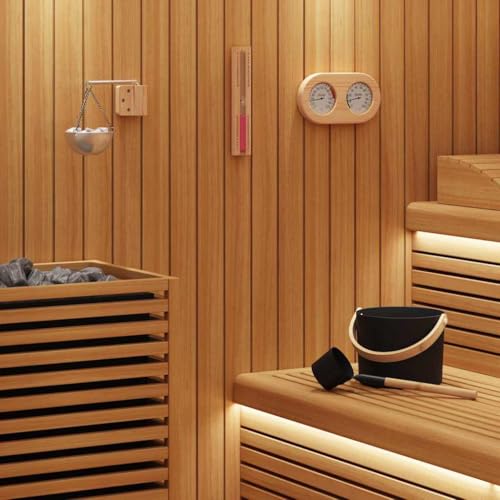
In contrast, traditional saunas, often referred to as Finnish saunas, use either wood-burning stoves or electric heaters to warm the air, reaching temperatures between 70 to 100 degrees Celsius. The heated air creates a high-temperature environment that causes the body to sweat profusely. Traditional saunas often involve steam and humidity, especially when water is poured over hot stones, adding to the overall experience while promoting relaxation.
People Also Look For:
- 2PCS Sauna Hat,Ergonomi Felted Sauna Cap for Women and Men,Steam Bath Hat Room Accessories Felt Heat Dry Headrest,Steam Room Essen...
- Relaxing 10 ml Eucalyptus Sauna Scent Concentrated
- ZONEMEL Portable Steam Sauna Kit for 1 Person or 2 Person Full Body Home Sauna Spa, Leg Detox Relaxation, 2L Steam Pot, Remote Con...
- Bilovit Black Aluminum Sauna Hourglass – 15-Minute Sauna Timer
- Heavy Duty All Weather Sauna Cover For 2 Person Outdoor Infrared Saunas Built With UV Resistant Water Oxford Cloth(Black)
Health Benefits of Infrared Saunas
Infrared saunas are celebrated for their therapeutic benefits. They can help relieve muscle and joint pain, reduce stress, and improve skin health. Because of their lower temperature, users can enjoy longer sessions, which may enhance calorie burning. Furthermore, infrared saunas are often praised for their ability to detoxify the body by promoting sweating at a cellular level, allowing for the expulsion of heavy metals and toxins.
Health Benefits of Traditional Saunas
Traditional saunas offer a unique set of health benefits as well. The high heat and humidity can aid in respiratory function, making it easier to breathe, especially for individuals with asthma or allergies. The intense heat promotes sweating and can lead to improved cardiovascular health by increasing heart rate and circulation. Many users also report a heightened sense of relaxation and well-being after a session in a traditional sauna.
Experience and Comfort
When considering comfort and experience, many find that infrared saunas provide a gentler warmth that can be more enjoyable for extended use. Traditional saunas, on the other hand, can be intense due to their high temperatures. Those who enjoy the ritual of sauna use may prefer traditional saunas, as the experience is often accompanied by the soothing sound of water on hot stones and the sensation of steam.
Cost and Maintenance
In terms of cost, infrared saunas can be more affordable to operate as they heat up faster and use less energy compared to traditional saunas. However, the initial investment may vary depending on the brand and model. Traditional saunas, particularly wood-burning varieties, may require more upkeep and regular maintenance, including wood supply and stove cleaning.
Which Sauna Is Right for You?
Your choice between an infrared and a traditional sauna ultimately depends on your personal preferences, health goals, and lifestyle. If you prefer a gentler heat and are focused on deep tissue benefits, an infrared sauna may be the ideal choice. If you enjoy the traditional sauna experience and the accompanying rituals, a traditional sauna could be more suitable. Consider trying both if possible, to determine which style resonates with you the most.